Above the fold
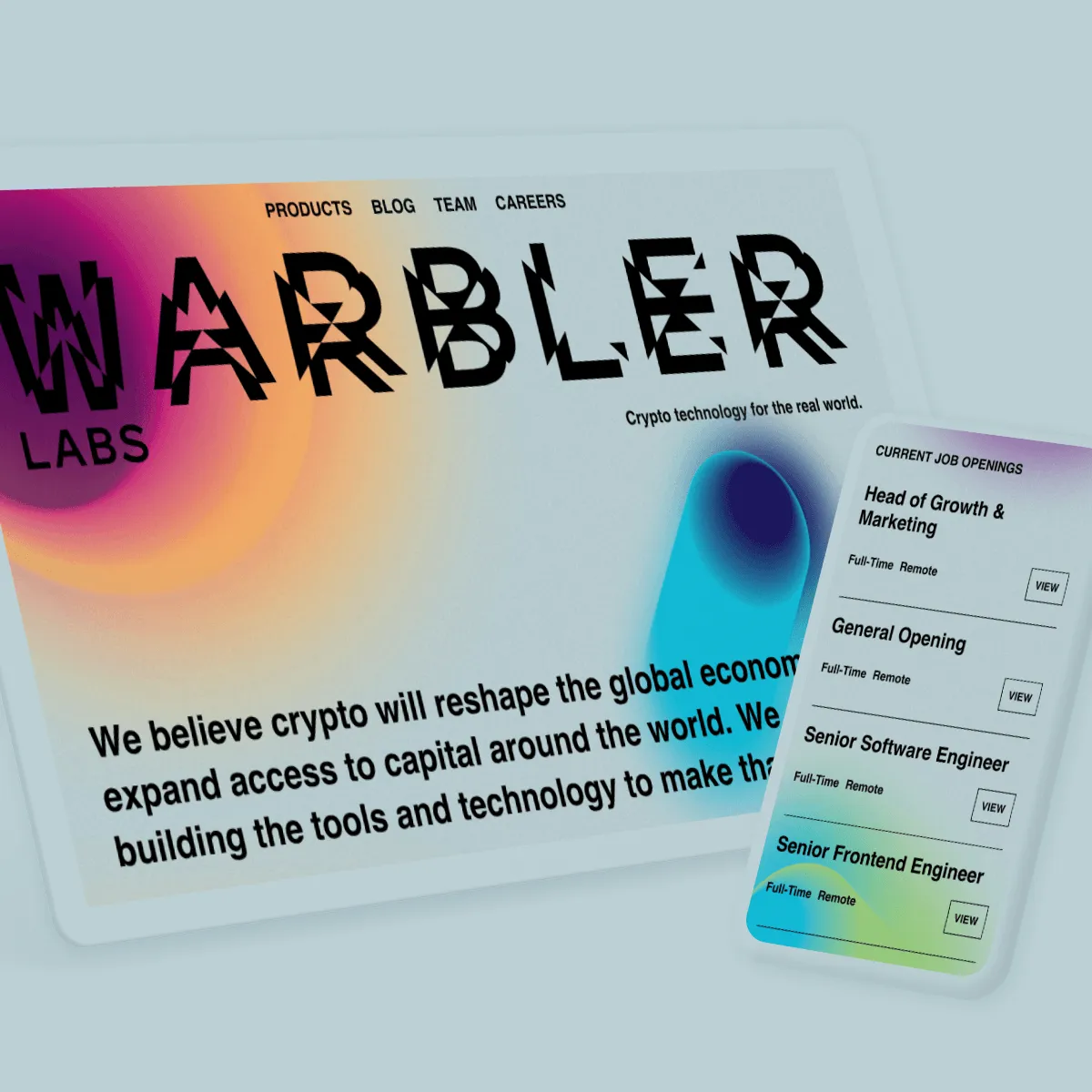
Above the fold is the part of a web page that users see immediately after it loads, without scrolling. The term comes from the newspaper industry, where “above the fold” meant the top half of a folded newspaper's front page. In web design, it refers to the content visible on the first screen—the exact dimensions vary by device and screen resolution.
The above-the-fold area is crucial for first impressions and for a user's decision to stay on a website. Research consistently confirms that content in this zone gets a disproportionate share of attention:
- Users spend 57% of their time above the fold. A Nielsen Norman Group eye-tracking study (2018, analysis of more than 130,000 eye fixations from 120 participants at a 1920×1080 px resolution) showed that users spend 57% of their viewing time on above-the-fold content. On the second screenful, they spend just 17% (NNGroup – Scrolling and Attention, 2018)
- The most-viewed zone is around 550 pixels from the top of the page. Chartbeat analyzed a random sample of 25 million user sessions across a wide range of websites. The area just above the fold (about 550 px) reaches a viewability rate of over 80% (Chartbeat – Scroll Behavior Across the Web)
- 68% of ads above the fold are viewable, compared with only 40% below it. In its “5 Factors of Viewability” study (2014), Google found that 56.1% of all display ad impressions are never seen by users. The most effective position is just above the fold, not at the very top of the page (Google/Think with Google – 5 Factors of Viewability, 2014)
- 74% of viewing time goes to the first two screenfuls. The same NNGroup study (2018) showed that users devote 74% of their attention to content within the first 2,160 px—content placed lower gets only a fraction of attention
FAQ
Where exactly is “the fold” on modern devices?
There's no fixed pixel value—it depends on the device, browser, and resolution. On desktop, the fold usually falls between 600 and 800 px from the top of the page; on mobile, between 500 and 700 px. That's why Nielsen Norman Group recommends not worrying about specific pixels and instead making sure the most important content and a clear call to action are visible as soon as the page loads (NNGroup – The Fold Manifesto).
Do users scroll more today than they used to?
Yes, but attention above the fold is still dominant. NNGroup data shows a shift from 80% (2010) to 57% (2018) of time spent above the fold, which suggests users scroll more. Even so, 74% of all viewing time goes to the first two screenfuls. Chartbeat confirms that on article pages, 50% of readers reach 1,500 px, but on homepages only 1,000 px (NNGroup – Scrolling and Attention, 2018).
What should go above the fold?
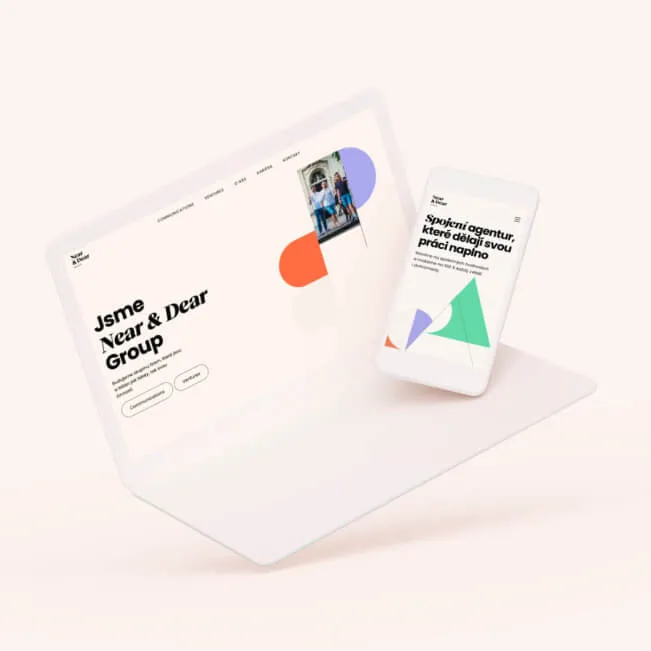
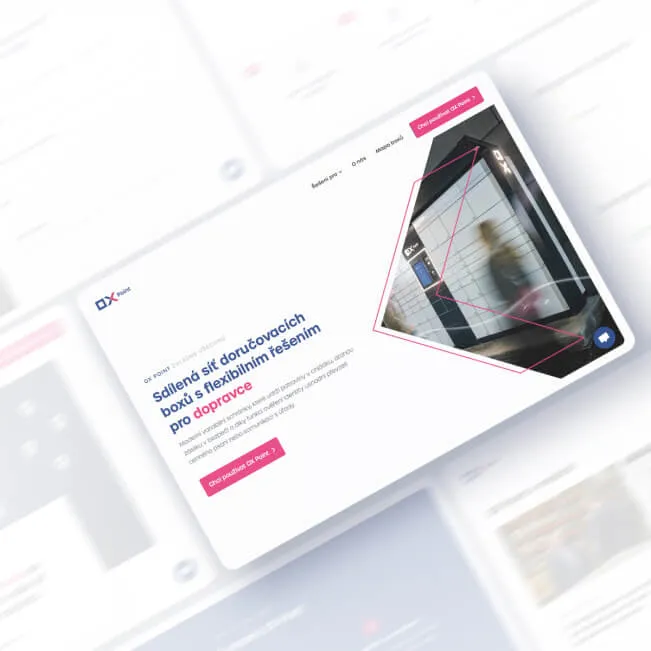
Your main value proposition (headline), supporting copy, the primary CTA, and optionally a visual that communicates context. The goal isn't to cram as much as possible above the fold, but to give users a clear reason to keep scrolling. Google and NNGroup agree that the most effective position for key elements is just above the fold, not the very top of the page.
Sources:
- NNGroup – Scrolling and Attention (2018) – an eye-tracking study, 120 participants, 130,000+ eye fixations
- NNGroup – Scrolling and Attention: Original Research (2010) – eye tracking, 57,453 fixations, 21 participants, 541 web pages
- NNGroup – The Fold Manifesto – a summary of evidence-based recommendations on the fold
- Chartbeat – Scroll Behavior Across the Web – an analysis of 25 million user sessions
- Google/Think with Google – 5 Factors of Viewability (2014) – a study of display ad viewability