UI design
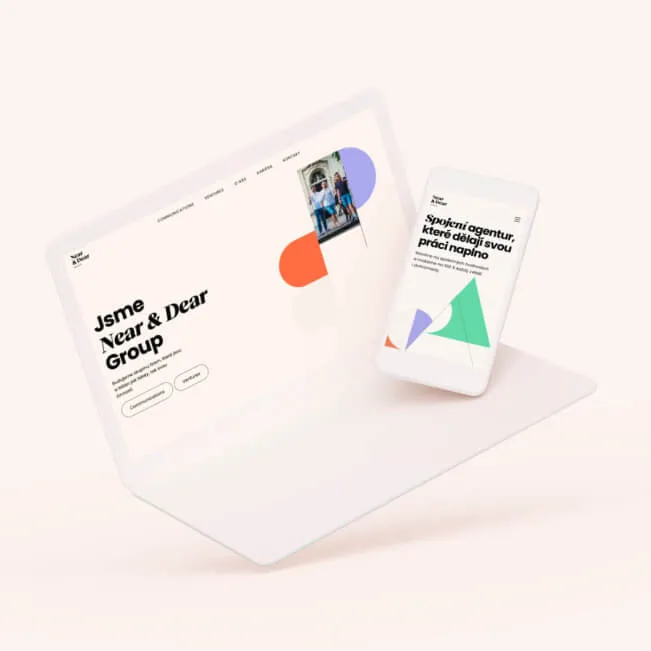
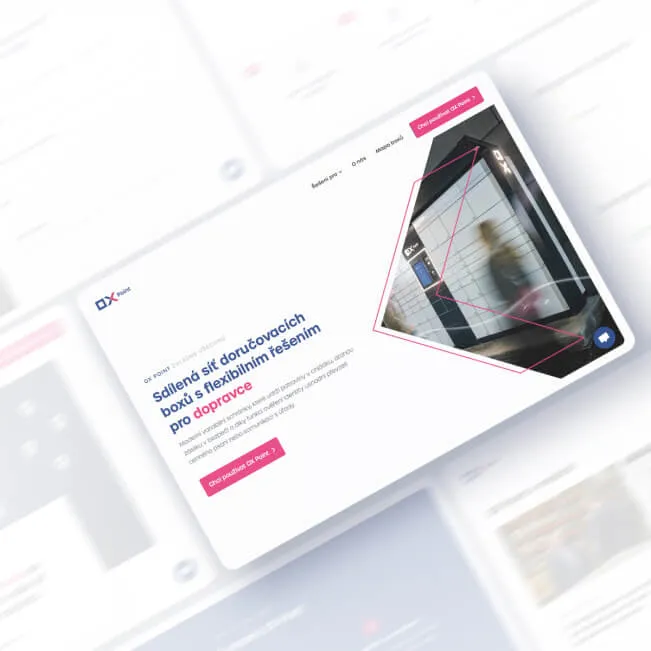
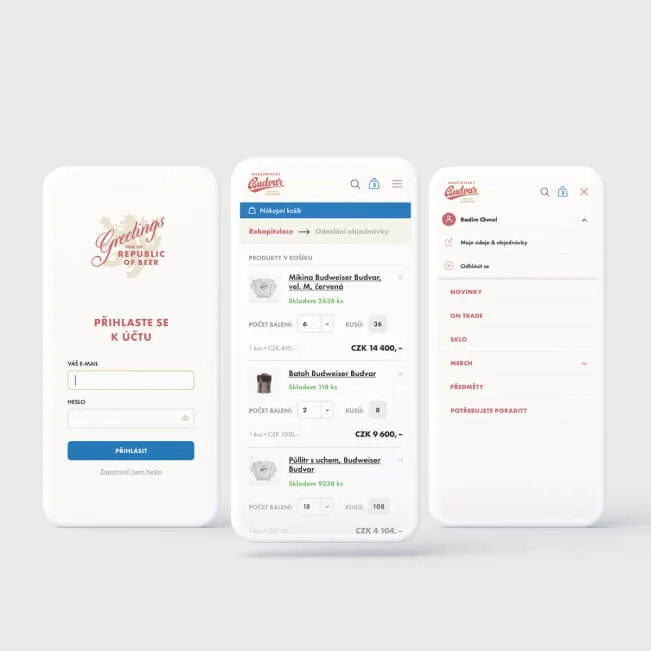
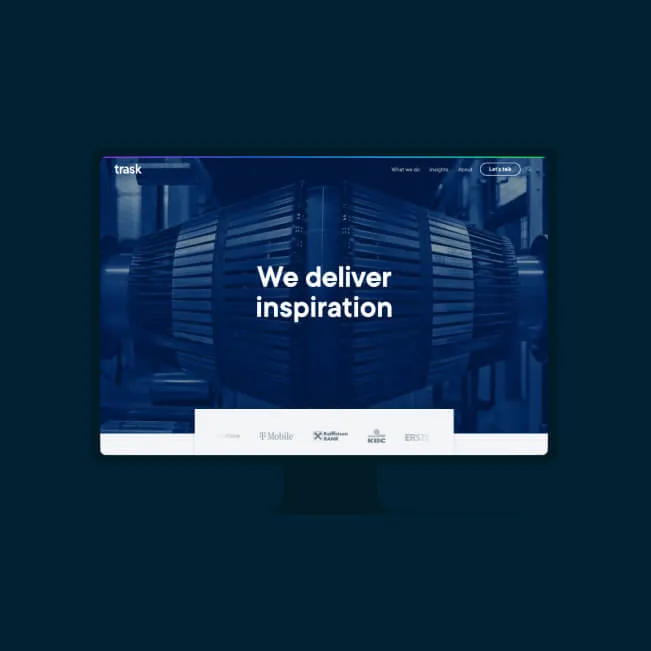
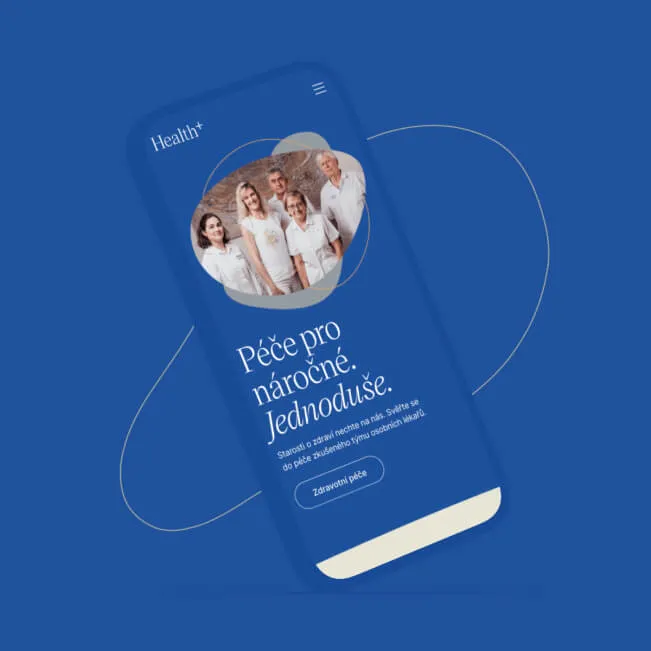
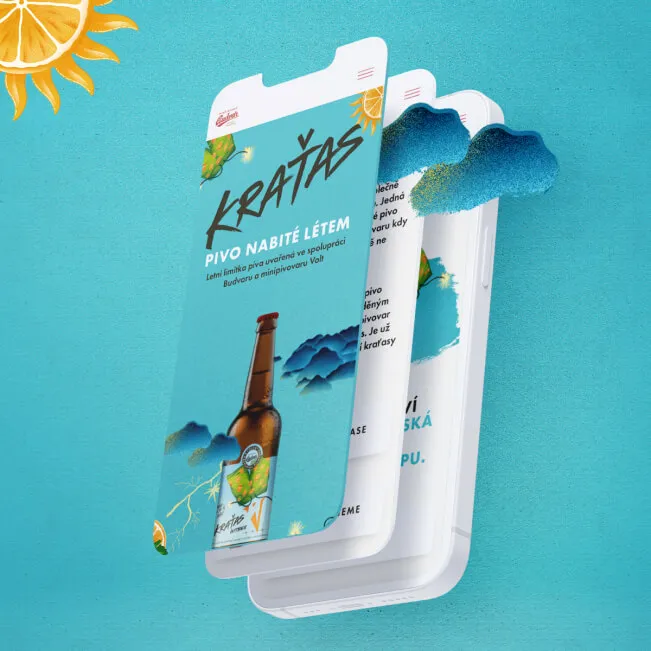
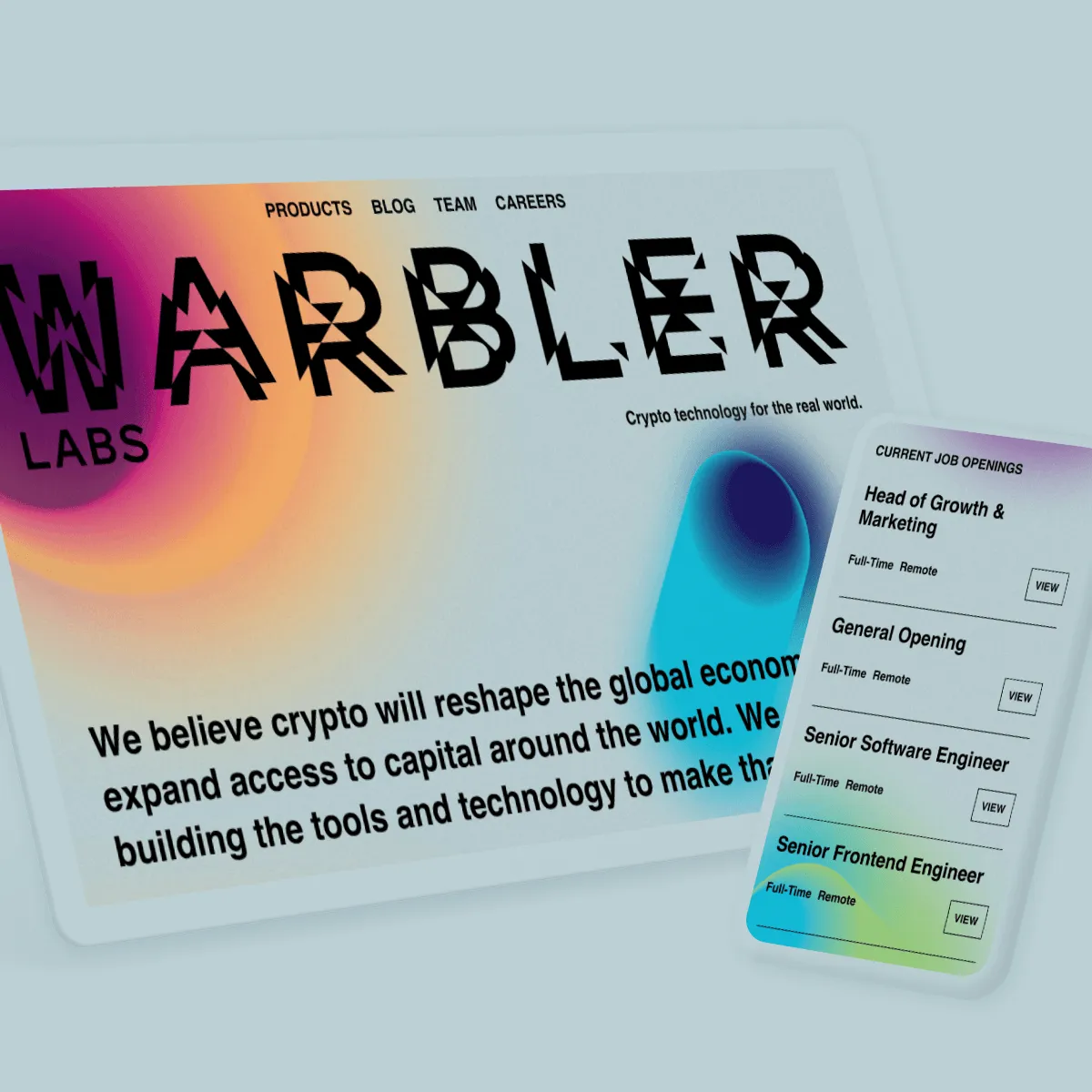
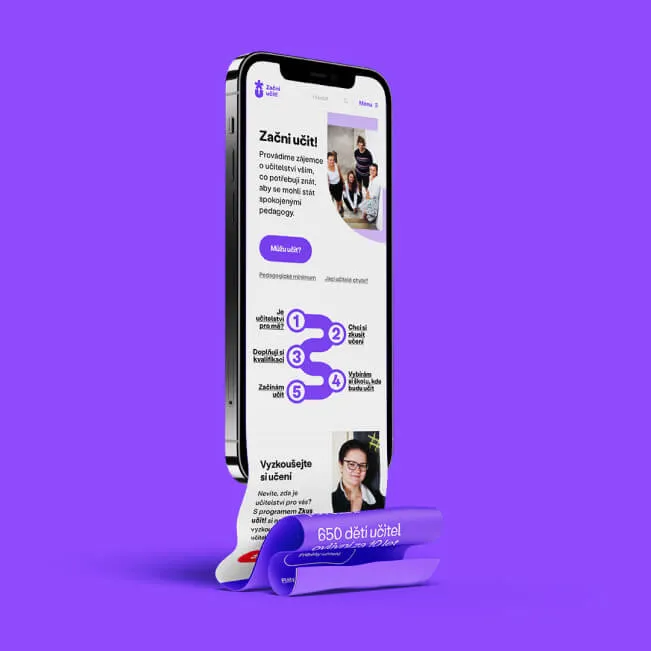
UI design (user interface design) is the process of designing the visual and interactive side of digital products: websites, apps, and software. It involves working with layout, typography, colors, icons, buttons, and other elements users interact with directly. The goal of UI design is to create an interface that is visually appealing, intuitive, and helps users reach their goals with ease.
Good UI design isn't just a matter of aesthetics. It has a direct, measurable impact on business results:
- Visual impressions form in 50 milliseconds. A Carleton University study (Lindgaard et al., 2006) showed that users form an opinion of a website in 50 ms and that this first impression lasts (Lindgaard et al., 2006)
- Looks are the most common credibility cue. In a study by the Stanford Persuasive Technology Lab and Consumer WebWatch (2,684 participants), a site's visual design came up in 46.1% of credibility comments—more often than any other factor (Stanford / Consumer WebWatch, 2002)
- Companies with strong design grow faster. McKinsey (300 companies, 5 years, 2M+ data points): top-quartile companies saw 32 percentage points higher revenue growth (McKinsey, 2018)
- The average cart abandonment rate is 70.19%. Baymard Institute (4,400+ tests, 13 years): improving the checkout UI can raise conversions by 35% (Baymard, 2024)
- Attractive interfaces are perceived as more usable. The aesthetic-usability effect (Kurosu & Kashimura, 252 participants) showed that attractive UIs are rated as easier to use (NNGroup)
FAQ
What's the difference between UI design and UX design?
UI design focuses on the visual and interactive elements of an interface: how a product looks and how users interact with it. UX design (user experience design) addresses the overall user experience: how a product works, how users find their way around it, and whether it meets their needs. In practice, the two disciplines complement each other. In its 2018 study, McKinsey emphasizes that the most successful companies don't separate design from product development but integrate it into the entire process (McKinsey & Company, 2018).
Is it worth investing in professional UI design?
Yes. A Forrester Total Economic Impact study commissioned by IBM (2018) calculated a 301% ROI for IBM's design thinking practice: projects reached the market 2× faster and design time fell by 75% (Forrester, The Total Economic Impact of IBM's Design Thinking Practice, 2018).
How can I tell if my website's UI design needs improvement?
Watch the key metrics: a high bounce rate, a low conversion rate, or short time on page. In its benchmark of 180+ leading e-commerce websites, Baymard Institute found that 64% of them have “mediocre” or worse checkout UX, which shows that even big players have room to improve (Baymard Institute, Checkout UX Best Practices, 2025).
Sources:
- McKinsey: The Business Value of Design (2018): analysis of 300 companies over 5 years, 2 million financial data points
- Baymard Institute: Cart Abandonment Research (2024): 13 years of research, 4,400+ user tests, 49 studies
- Stanford Persuasive Technology Lab / Consumer WebWatch: How Do People Evaluate a Web Site's Credibility? (2002): study of 2,684 participants on how people judge a website's credibility
- Lindgaard et al., Attention Web Designers: You Have 50 Milliseconds (2006): experimental study on how quickly first impressions form
- NNGroup: The Aesthetic-Usability Effect: overview of research on the link between visual appeal and perceived usability