Brand guidelines
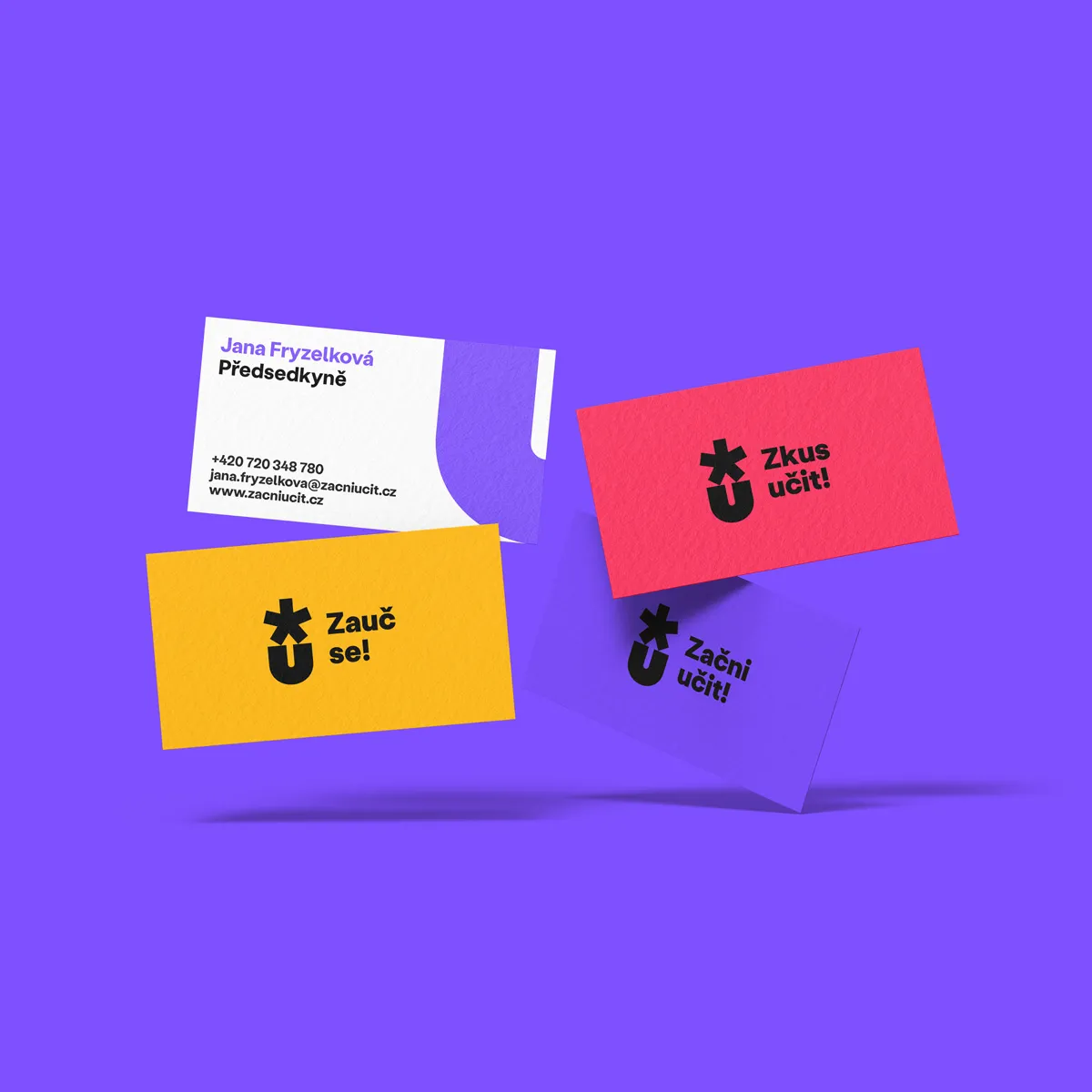
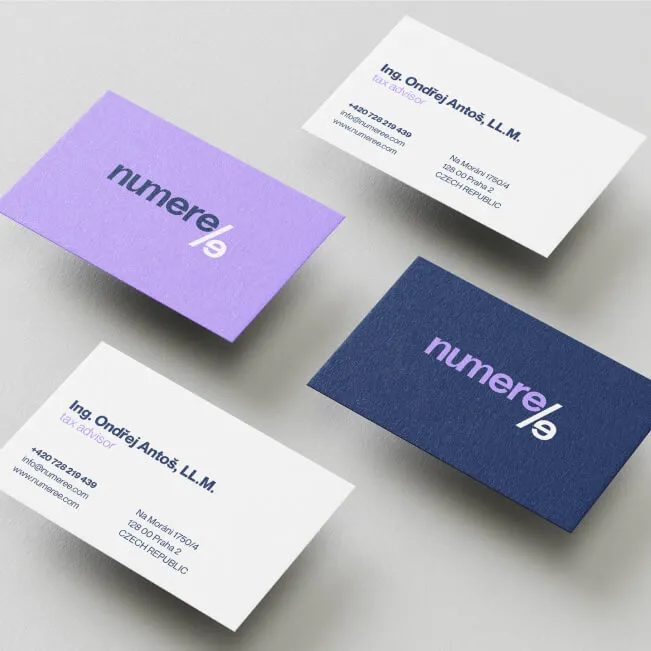
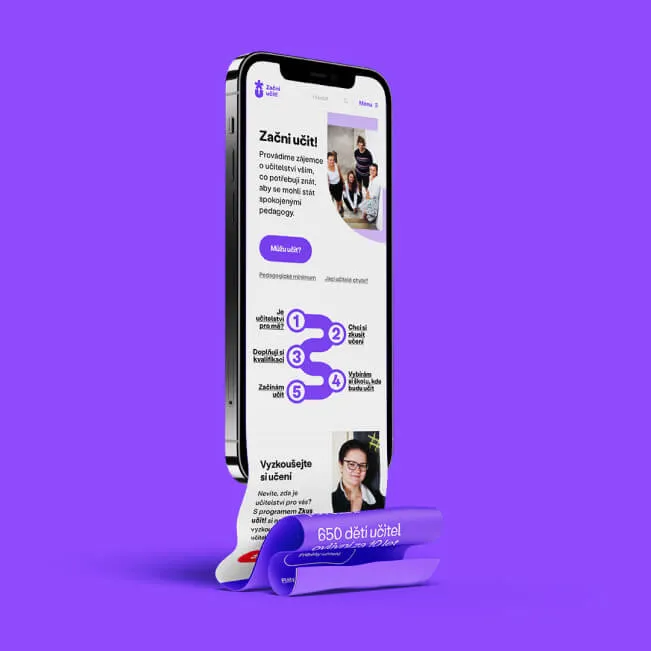
Brand guidelines (also called a brand manual or brand book) are a document that defines how a brand should present itself, both visually and verbally. They set rules for logo use, the color palette, typography, tone of voice, photography, and other visual elements. They serve as the binding reference for everyone who works with the brand, from the in-house team to external vendors.
Brand guidelines are a key tool for keeping a brand consistent, and consistency has a proven impact on business results:
- Consistent brand presentation increases revenue by up to 33%. A study by Lucidpress (now Marq) with Demand Metric, which analyzed responses from more than 200 organizations across industries, found that companies with consistent brand presentation achieve 3–4x higher visibility than companies with inconsistent branding (Lucidpress & Demand Metric – State of Brand Consistency, 2019)
- Strong brands outperform weak ones by 20% in EBIT margin. McKinsey analyzed 90 publicly traded B2B companies in six sectors and surveyed more than 700 executives worldwide. The results show that companies with consistently strong branding achieve significantly higher margins (McKinsey – B2B Business Branding, 2013)
- Investing in brand management delivers 367% ROI. A 2024 Forrester Total Economic Impact study quantified the benefits of centralized brand management at $4.22 million over three years, with payback in under six months (Forrester TEI – Frontify, 2024)
- 77% of companies produce off-brand content. While 94% of organizations have brand guidelines, only a quarter enforce them consistently. This dilutes the brand’s identity and erodes trust (Lucidpress – Content Effectiveness Report, 2021, survey of 452 professionals)
Brand guidelines solve exactly this problem. They turn brand strategy into concrete, measurable rules that anyone in the organization can easily follow. Without them, a brand gradually fragments with every new piece of collateral, campaign, or vendor.
FAQ
What should brand guidelines include?
Good brand guidelines cover at least these areas: the brand definition (mission, vision, values), logo rules (variations, clear space, misuse), the color palette (primary and secondary colors with exact codes), typography (heading and body typefaces, hierarchy), tone of voice (communication style), and rules for photography and illustration. A 2013 McKinsey study shows that consistently applying these elements across all touchpoints is exactly what sets strong brands apart from weak ones (McKinsey, 2013).
How often should brand guidelines be updated?
Brand guidelines should be reviewed at least once a year, or whenever there is a significant change in strategy, product portfolio, or target audience. Lucidpress data from 2021 shows that 85% of companies saw an increase in demand for content. As the volume of materials grows, so does the risk of going off-brand if the guidelines don’t reflect current needs (Lucidpress, 2021).
Do small businesses need brand guidelines, too?
Yes. Research by Demand Metric and Lucidpress showed that the impact of brand consistency on revenue holds regardless of company size. Small businesses also often work with more external vendors (a designer, a print shop, a marketing agency), which increases the risk of inconsistency. Even a simple one-page document with rules for the logo, colors, and typefaces helps a lot (Lucidpress & Demand Metric, 2019).
Sources:
- Lucidpress & Demand Metric – State of Brand Consistency (2019) – survey of 200+ organizations, impact of brand consistency on revenue and visibility
- McKinsey – B2B Business Branding (2013) – analysis of 90 companies in 6 sectors, survey of 700+ executives, impact of brand on EBIT margin
- Forrester TEI – Total Economic Impact of Brand Management (2024) – study of the return on investment in centralized brand management, 367% ROI
- Lucidpress – Content Effectiveness Report (2021) – survey of 452 professionals on brand guideline compliance