Visual identity
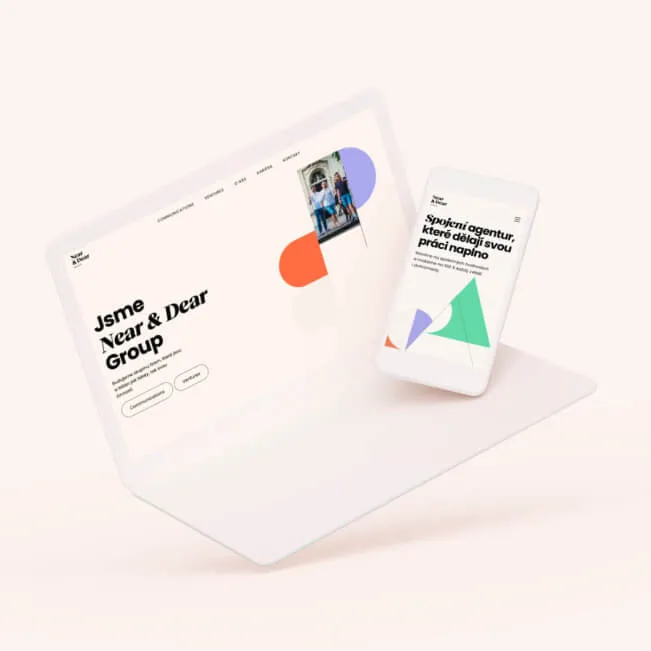
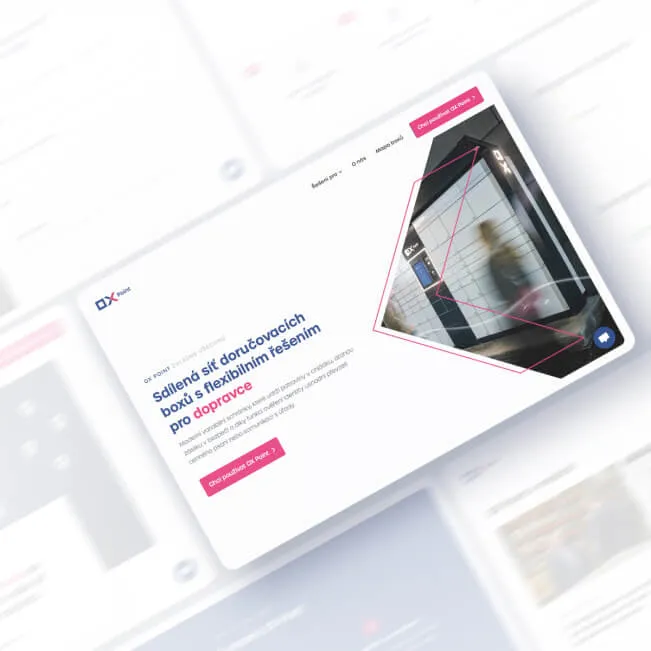
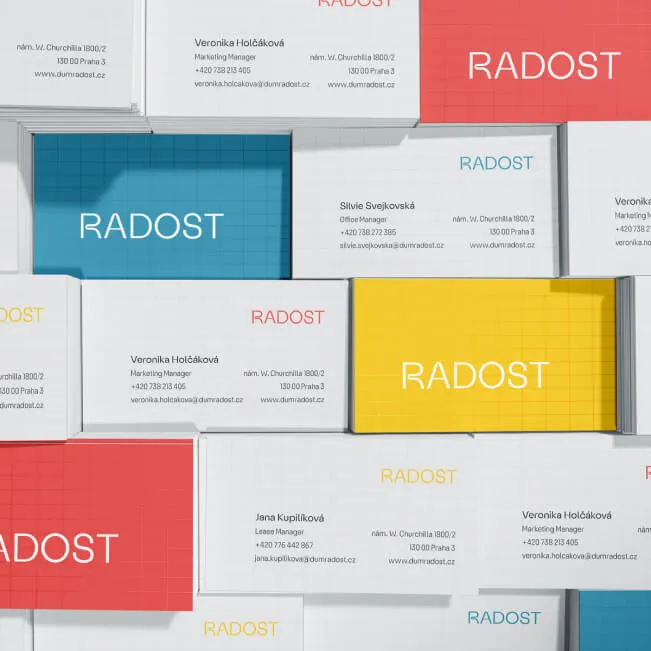
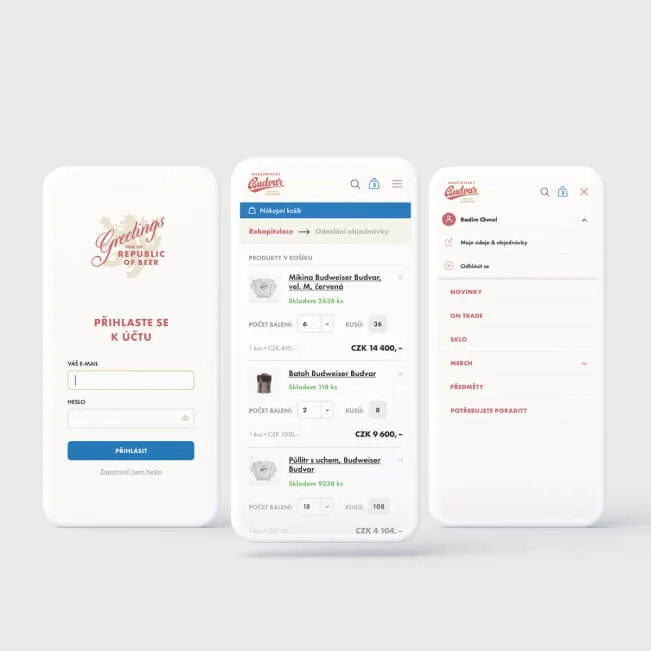
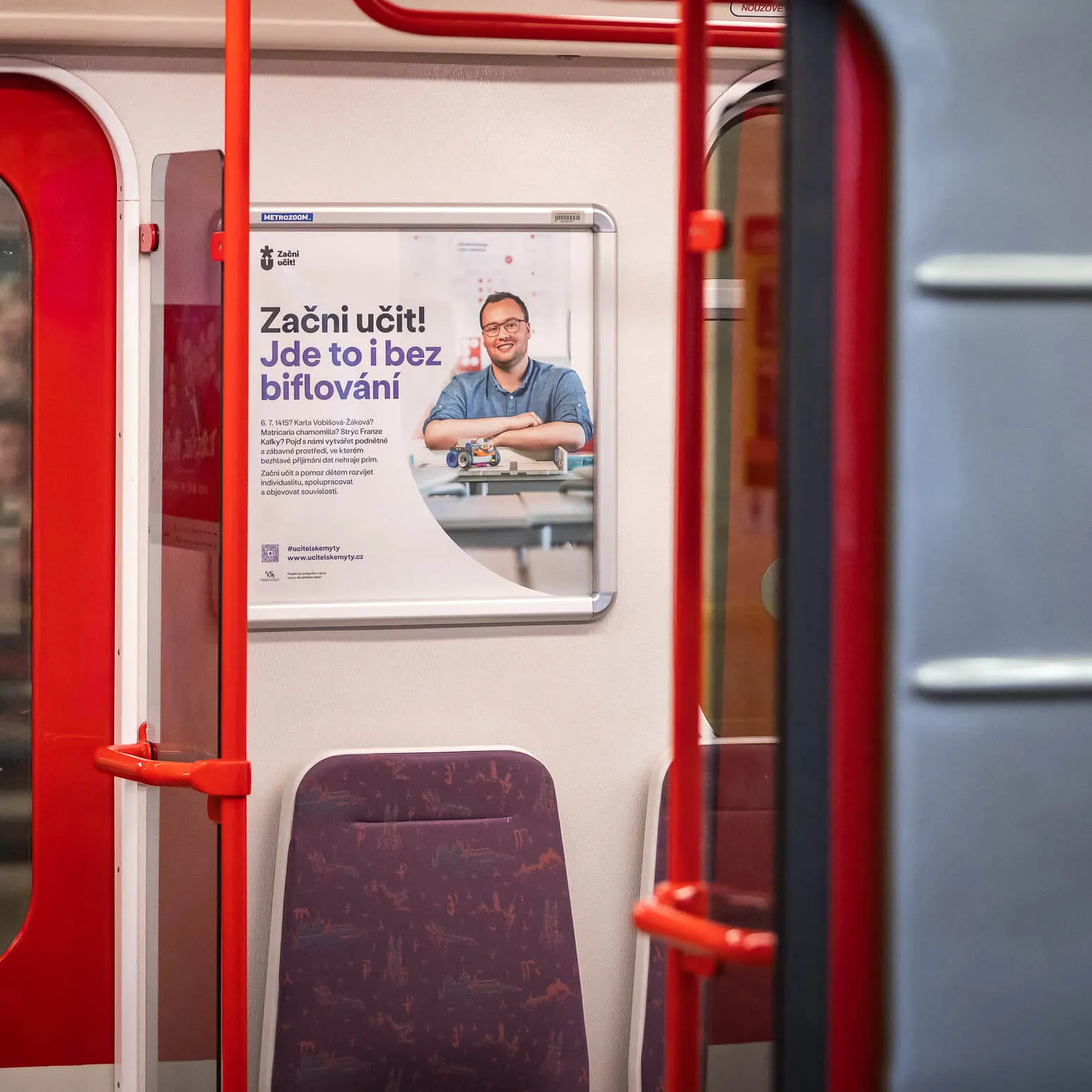
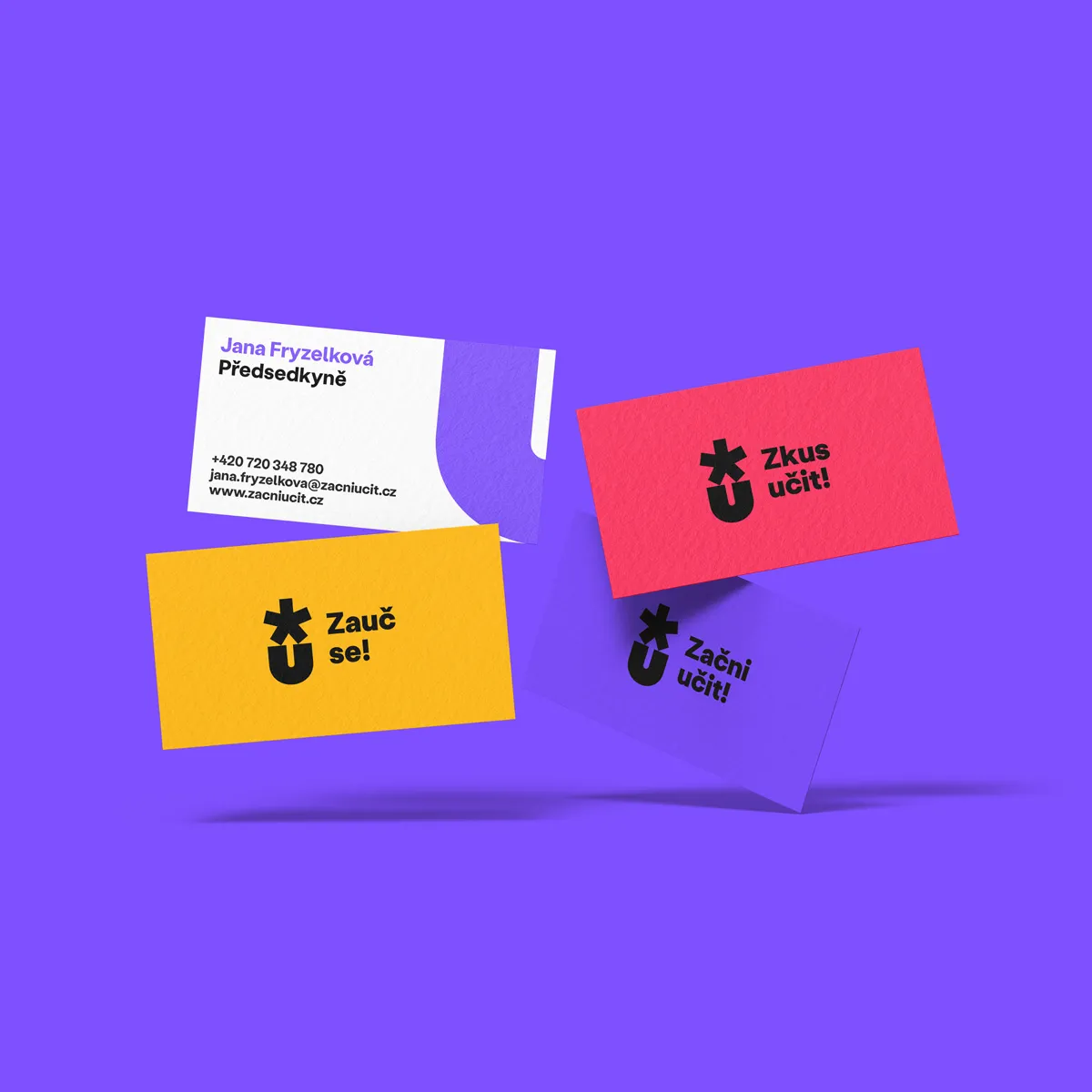
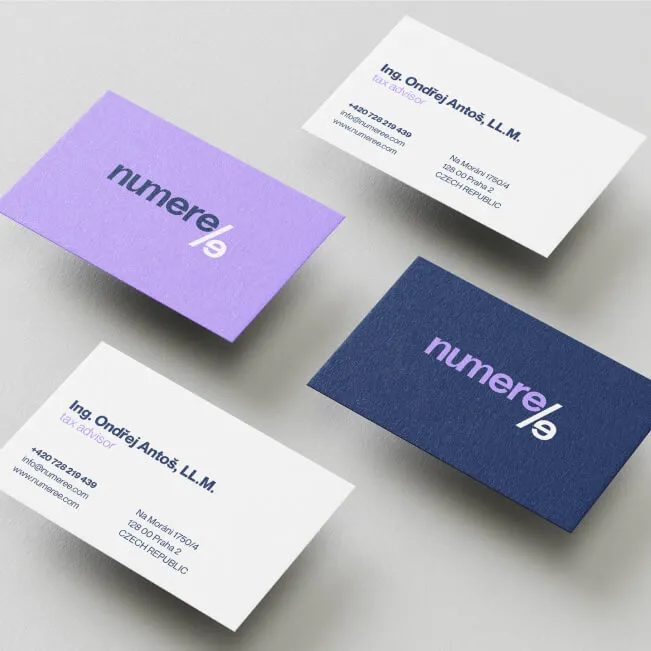
Visual identity is the cohesive system of visual elements that represent a brand: logo, colors, typography, photography, illustration, and layouts. It is part of the broader brand identity, and its goal is to create a recognizable, consistent visual presence across every customer touchpoint, from the website and print materials to social media.
Visual identity isn't just a matter of aesthetics—its quality and consistency have a proven impact on brand recognition, customer trust, and business results:
- First impressions form in 50 milliseconds: research by Lindgaard et al., spanning 3 studies with a total of 153 participants, showed that a web page's visual appeal is judged within 50 ms—and that judgment barely changes with longer exposure (Lindgaard et al. – Attention Web Designers: You Have 50 Milliseconds, 2006)
- A consistent brand can increase revenue by up to 23%: a Lucidpress study conducted with Demand Metric, covering more than 200 organizations across industries, found that consistent brand presentation leads to an average revenue increase of 23%. Even so, 77% of companies still produce materials that don't follow their own brand guidelines (Lucidpress / Demand Metric – Impact of Brand Consistency, 2019)
- Design correlates directly with financial performance: McKinsey analyzed 300 publicly listed companies in 3 industries over 5 years, collecting more than 2 million financial data points. Companies in the top quartile of the McKinsey Design Index achieved 32 percentage points higher revenue growth and 56 percentage points higher total returns to shareholders (McKinsey – The Business Value of Design, 2018)
- Typography alone changes how a brand is perceived: a neuroscience study by Monotype and Neurons with 400 participants found that simply changing the typeface can increase perceived relevance by 13%, memorability by 10%, and trustworthiness by 9% (Monotype / Neurons – Emotional Impact of Type, 2022)
- Visual simplicity and familiarity win: Google research (Tuch et al., 2012) on 119 websites showed that low visual complexity and high prototypicality lead to the highest aesthetic ratings (Tuch et al. – Visual Complexity and Prototypicality, 2012)
FAQ
What makes up a visual identity?
A visual identity includes the logo and its variations, the color palette, typography, photography and illustration style, layout and composition rules, and graphic elements (icons, patterns, textures). All of it is usually documented in brand guidelines. A McKinsey study (300 companies, 5 years, 2018) shows that the most successful brands take a systematic approach to design (McKinsey – The Business Value of Design).
What's the difference between visual identity and branding?
Branding is a broader strategic process that covers a brand's values, voice, communication, and overall perception. Visual identity is its visual component—what people see. Research by Monotype and Neurons (400 participants, 2022) shows that even a single visual element like a typeface can shift users' emotional responses by 9–13% (Monotype / Neurons, 2022).
How often should a visual identity be updated?
A complete visual identity redesign typically happens every 7–10 years, with smaller refinements more often. The key is to keep the recognizable elements and change only what has stopped working. Lucidpress / Demand Metric data (200+ organizations, 2019) shows that consistency matters more than novelty (Lucidpress / Demand Metric, 2019).
Sources:
- Lindgaard et al. – Attention Web Designers: You Have 50 Milliseconds (2006) – 3 studies, 153 participants
- Lucidpress / Demand Metric – Impact of Brand Consistency (2019) – survey of 200+ organizations
- McKinsey – The Business Value of Design (2018) – analysis of 300 companies over 5 years
- Monotype / Neurons – Emotional Impact of Type (2022) – neuroscience study with 400 participants
- Tuch et al. – Visual Complexity and Prototypicality (2012) – study of 119 websites