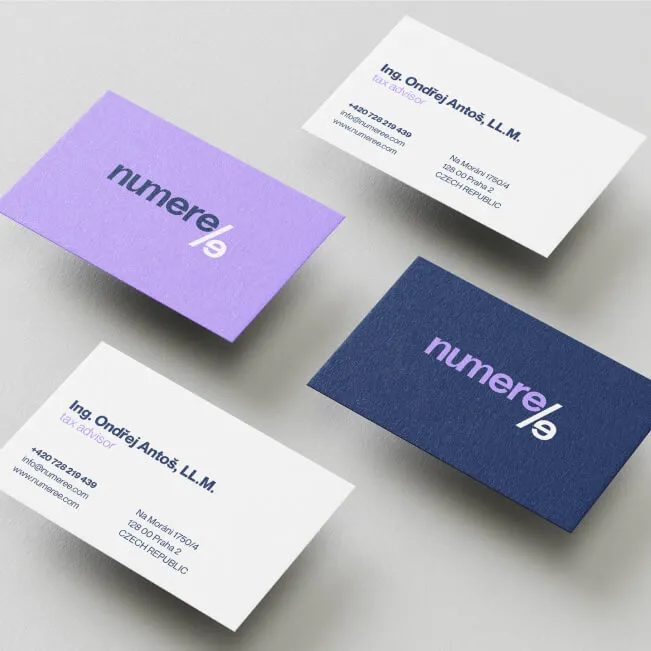
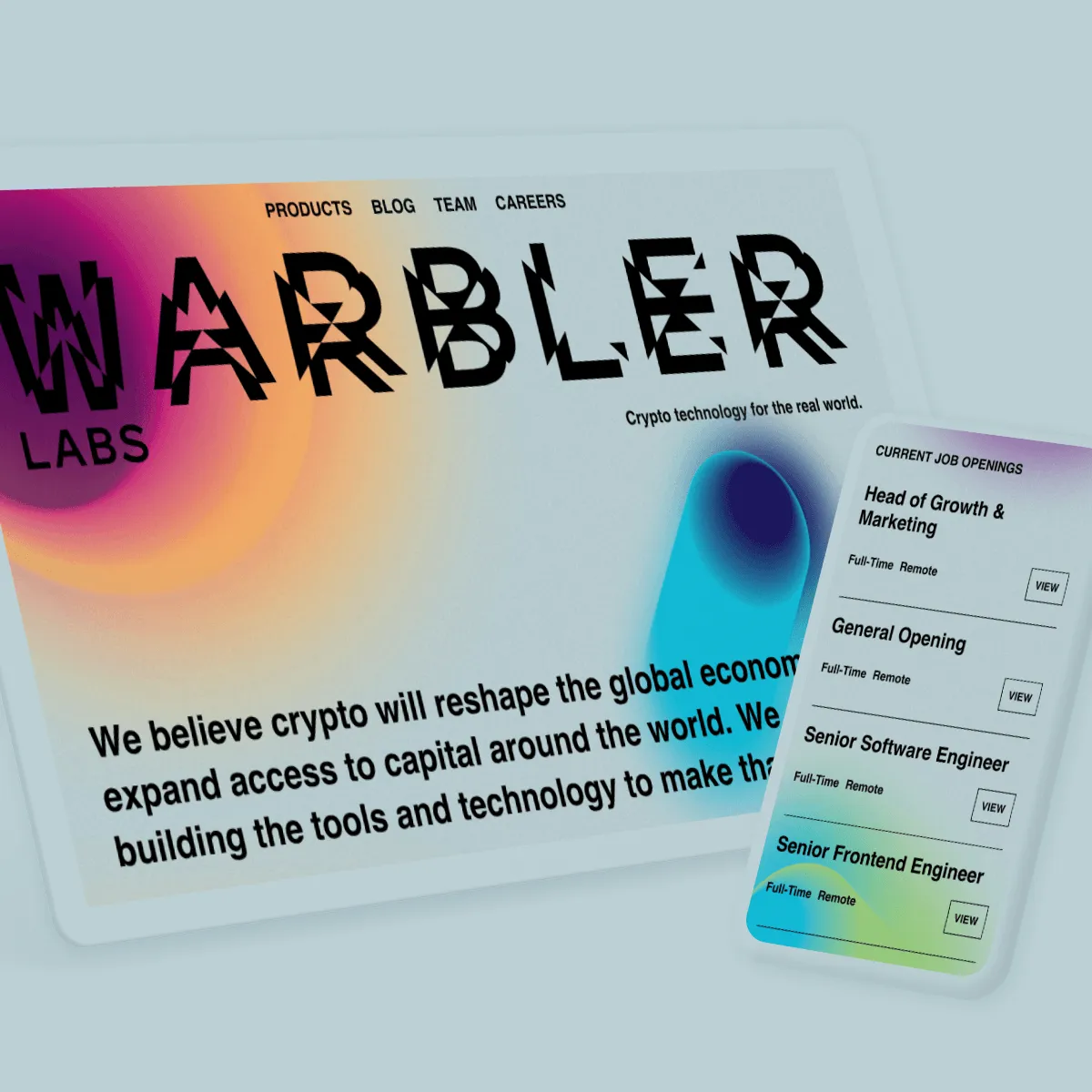
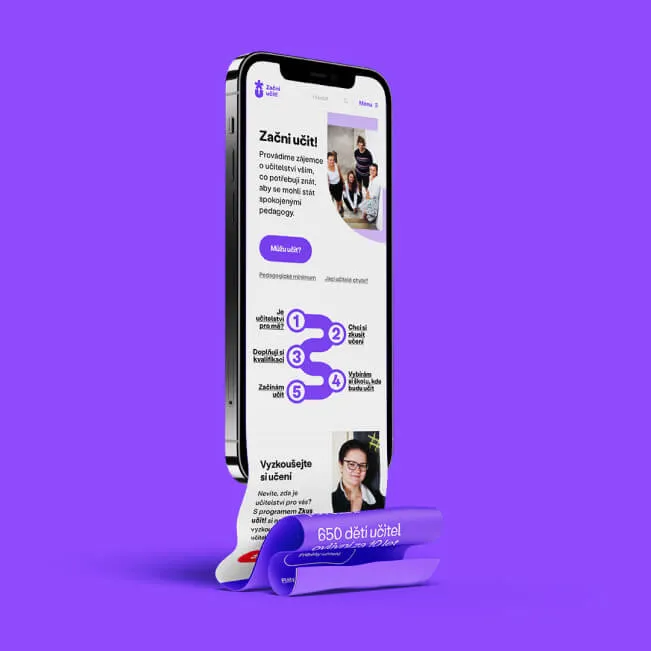
Logo design
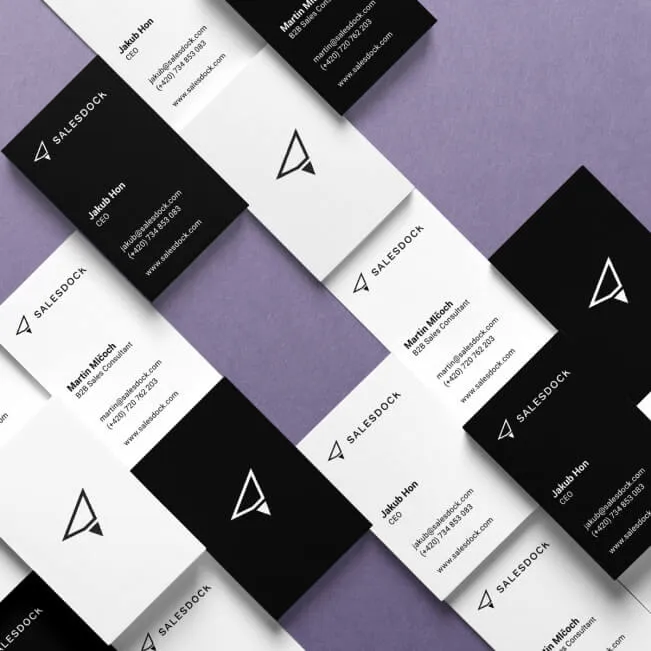
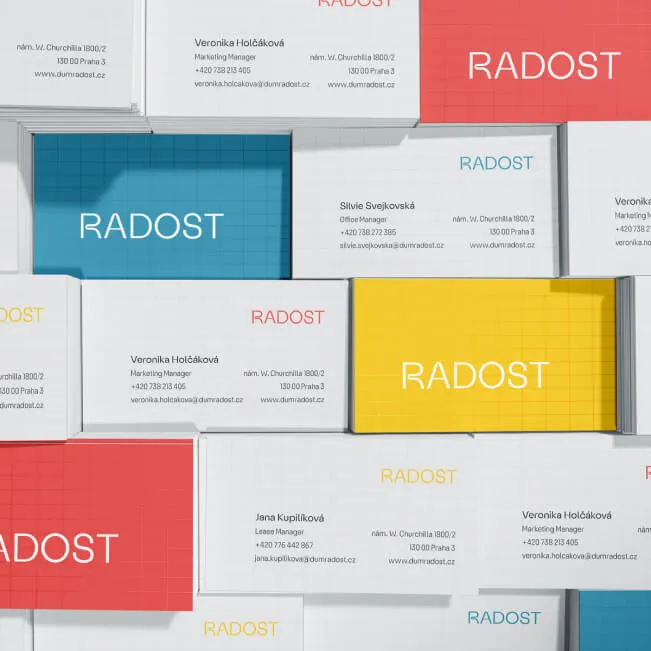
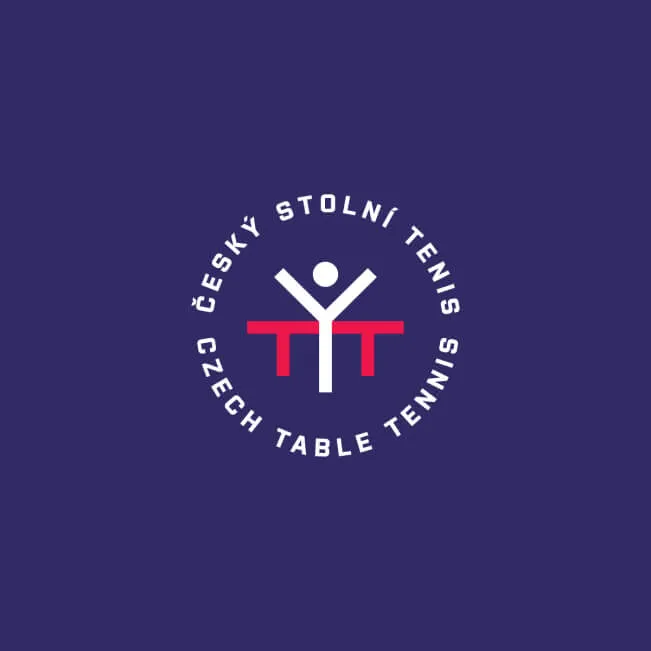
Logo design is the process of creating a visual symbol or mark that represents a company, product, or organization. The final logo can take the form of a wordmark (text-based logo), lettermark (initials), icon or symbol, combination mark, or emblem. A logo is a key element of visual identity and often the first point of contact between a brand and its customers.
A logo isn’t just a picture—it’s a strategic brand-building tool with a measurable impact on recognition, trust, and revenue:
- The human brain processes visual information in 13 milliseconds: MIT research (Potter et al., published in Attention, Perception, & Psychophysics, 2014) showed that people can identify and categorize images seen for just 13 ms. That’s why a logo has to work instantly—there’s no time for complex reading (MIT – In the Blink of an Eye, 2014)
- Descriptive logos increase brand value: a study by Luffarelli et al. published in the Journal of Marketing Research (2019), which analyzed 597 brands across six experiments, showed that logos that visually signal a company’s line of business increase perceived authenticity and have a positive effect on purchase intent. The effect is strongest for lesser-known brands (Luffarelli et al. – Let the Logo Do the Talking, JMR 2019)
- Simplicity pays off: Siegel+Gale’s World’s Simplest Brands survey (10th edition, 2023, more than 15,000 respondents in 9 countries) found that 64% of people are willing to pay more for a simpler brand experience and 78% are more likely to recommend the brand. A stock portfolio of the simplest brands has outperformed major global indices by 1,600% since 2009 (Siegel+Gale – World’s Simplest Brands, 2023)
- A consistent visual identity increases revenue: a Lucidpress/Marq study (survey of 400+ organizations, 2021) showed that companies that present their brand, including their logo, consistently across all channels see 23% higher revenue on average (Lucidpress/Marq – State of Brand Consistency, 2021)
- The logo is the most recognizable brand element: the BRAND database (Behavior Research Methods, Springer, 2024) collected 244,400 individual responses from 2,000 consumers about 597 brands and their logos. The data confirms that the logo is the primary brand identifier in consumers’ memory (BRAND Database – Springer, 2024)
FAQ
What type of logo is most effective?
It depends on the context. A study by Luffarelli et al. (JMR, 2019, analysis of 597 brands) shows that descriptive logos—those that visually signal what a company does—are more effective for new and lesser-known brands because they are easier to process and convey authenticity. Established brands (Apple, Nike), on the other hand, do well with abstract symbols, because consumers have already built associations with them.
How often should a logo change?
A logo should evolve gradually, not dramatically. Research by Walsh et al. (Journal of Product & Brand Management, 2010) showed that highly loyal customers react negatively to radical logo changes. The proven approach is gradual modernization that keeps the key recognizable elements—the path taken by successful brands such as Google, Mastercard, and Burger King.
Why are most modern logos moving toward simplicity?
Simple logos are easier to remember and work better at small sizes (favicons, app icons) and across devices. Siegel+Gale’s survey (15,000+ respondents, 2023) confirms that brand simplicity correlates directly with customers’ willingness to pay more and recommend the brand. In practical terms, a simple logo scales better, from a business card to a billboard.
Sources:
- MIT – In the Blink of an Eye (2014) – research on the speed of visual processing, identifying images in 13 ms
- Luffarelli et al. – Let the Logo Do the Talking (JMR, 2019) – six experiments, analysis of 597 brands; how logo descriptiveness affects brand value
- Siegel+Gale – World’s Simplest Brands, 10th edition (2023) – survey of 15,000+ respondents in 9 countries; impact of simplicity on revenue and loyalty
- Lucidpress/Marq – State of Brand Consistency (2021) – survey of 400+ organizations; impact of brand consistency on revenue
- BRAND Database – Behavior Research Methods, Springer (2024) – 244,400 responses from 2,000 consumers, 597 brands and their logos