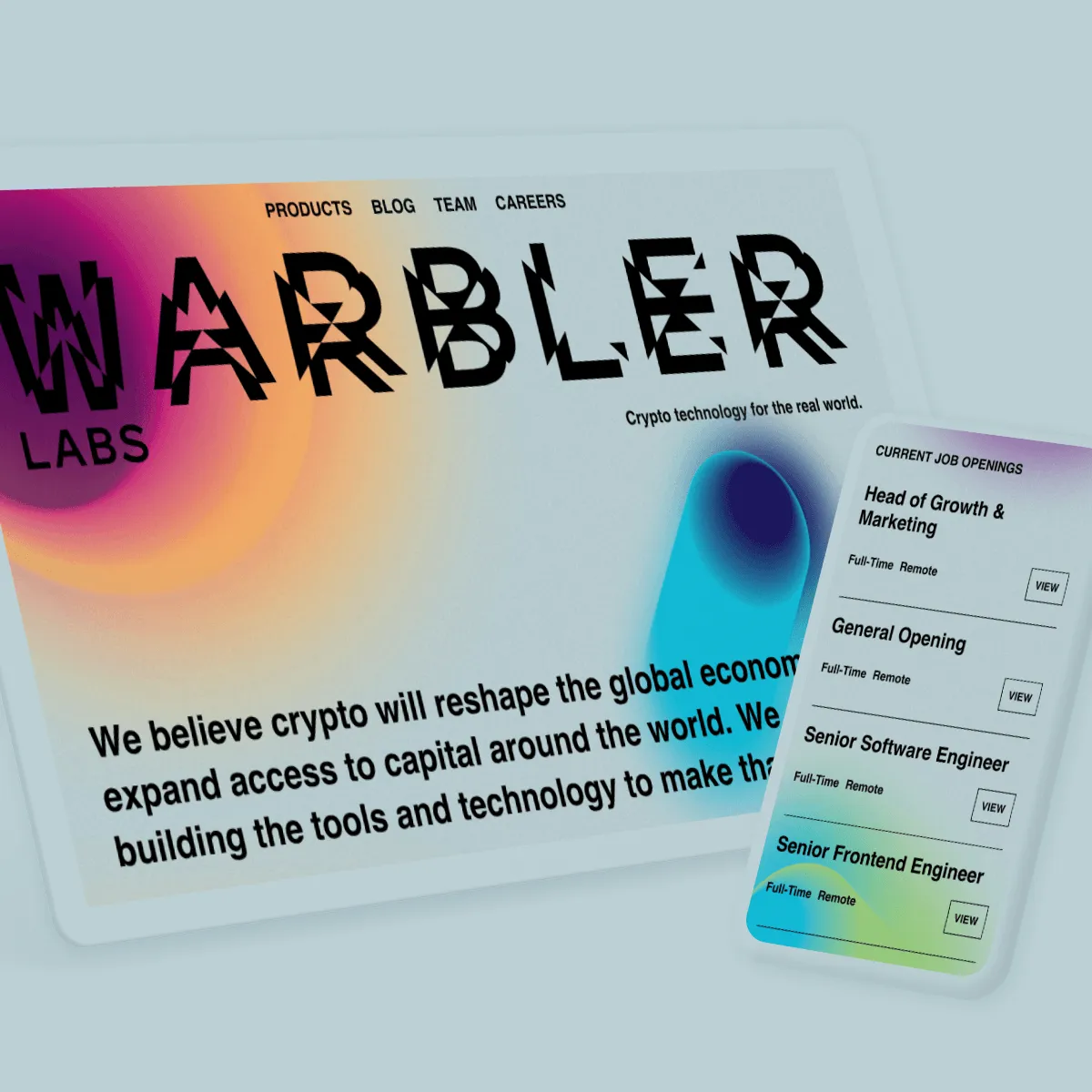
Branding
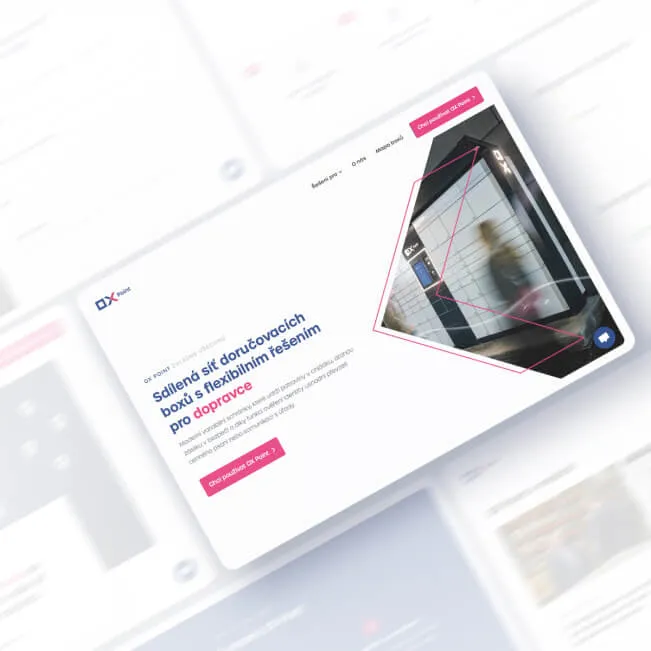
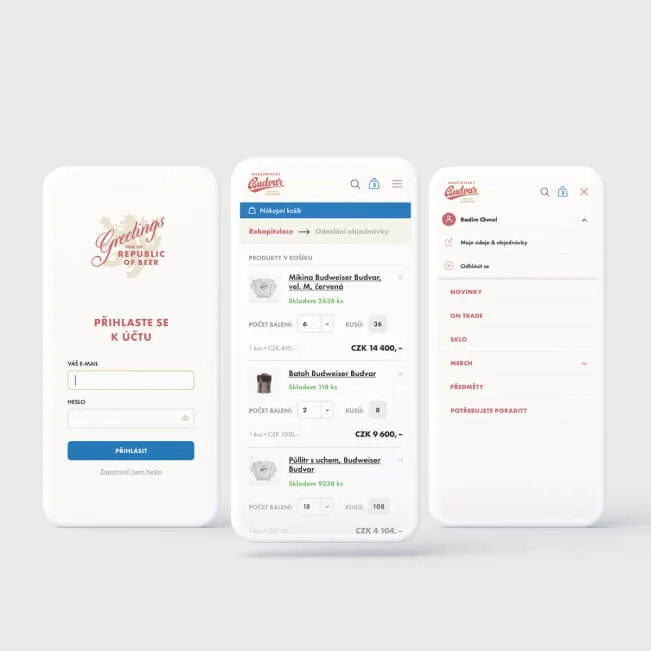
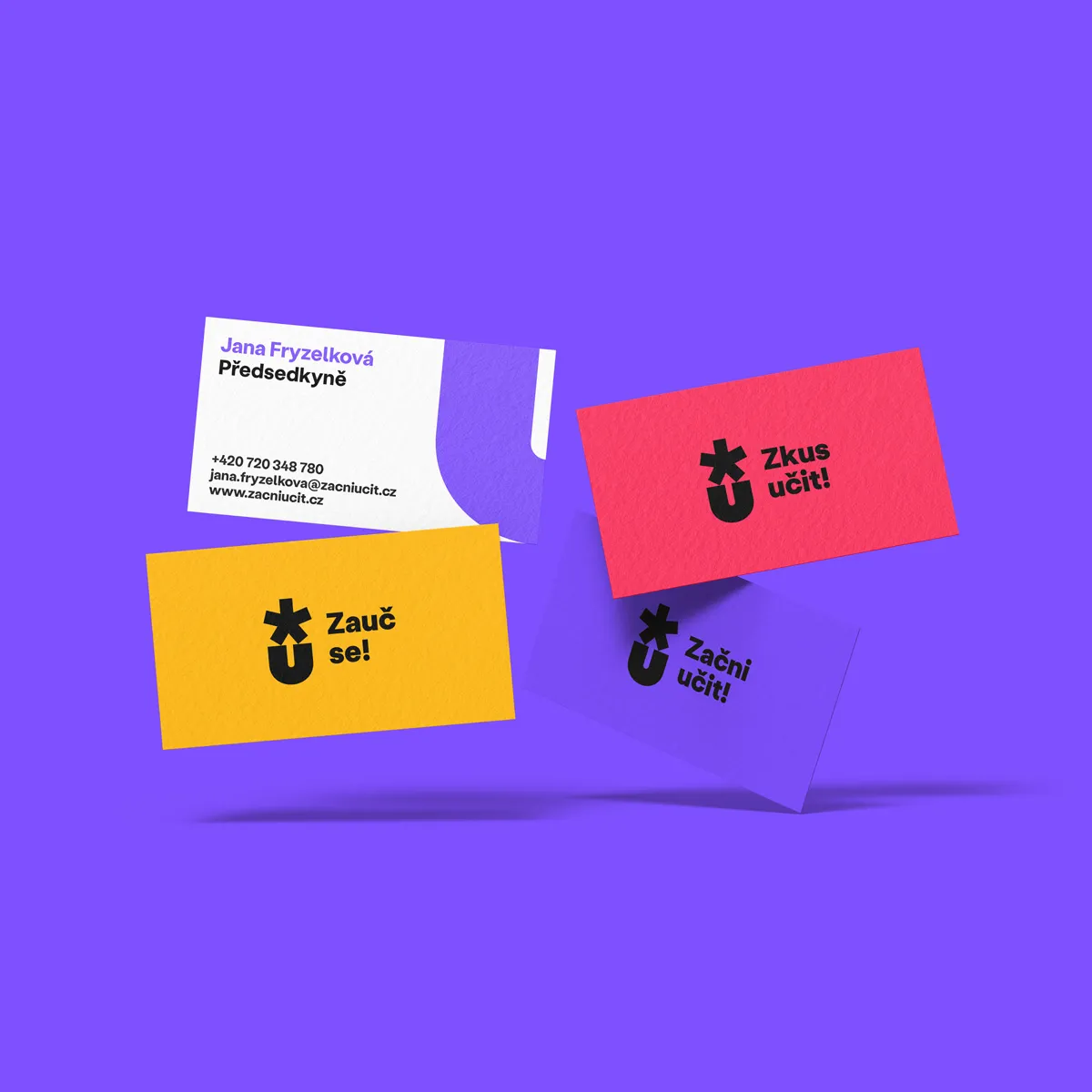
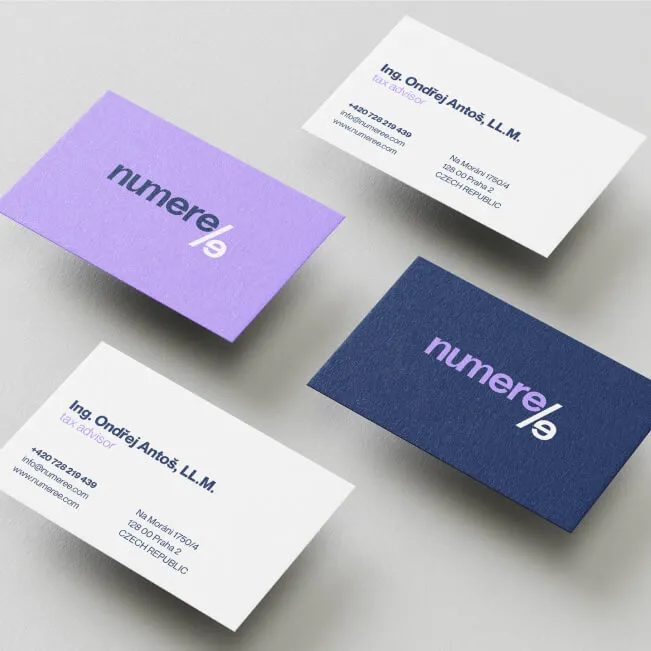
Branding is the strategic process of building a brand, from defining its values, mission, and personality to its visual identity, communication style, and the overall experience a company gives its customers. The goal of branding is to create a clear, distinctive, and trustworthy image of the brand in people's minds that shapes their buying decisions. It's not just about a logo or colors: branding is a comprehensive discipline that brings strategy, design, and communication together into one consistent whole.
Branding isn't a subjective discipline. Its impact on business results has been confirmed by data again and again:
- The combined value of the world's 100 strongest brands reached $10.7 trillion, up 29% year over year. The Kantar BrandZ 2025 ranking confirms that investing in brand building generates measurable economic value (Kantar BrandZ, 2025)
- Consistent brand presentation increases revenue by up to 33%. A study by Lucidpress and Demand Metric (200+ organizations) found that companies with consistent branding achieve 3–4x greater visibility (Lucidpress & Demand Metric, 2019)
- Brand trust now matters as much as price and quality. The Edelman Trust Barometer 2025 (15,000 respondents in 15 countries) shows that 80% of people trust the brands they use (Edelman, 2025)
- Strong brands outperform the stock market. Interbrand shows that a portfolio of the strongest brands outperforms both the MSCI World and the S&P 500 over the long term (Interbrand, 2025)
FAQ
What's the difference between branding and visual identity?
Visual identity is part of branding, but it's far from the whole picture. Branding includes the strategic layer: brand values, positioning, tone of voice, customer experience, and communication strategy. Visual identity (logo, colors, typography) is the visual expression of that strategy. A McKinsey study of 300 publicly traded companies over 5 years showed that the most successful companies take a systematic approach to design and tie it to strategy. A visual redesign alone, without a strategic foundation, doesn't deliver measurable results (McKinsey, The Business Value of Design, 2018).
Is branding worth it for small companies?
Yes. Data from Lucidpress / Demand Metric (200+ organizations, 2019) shows that the impact of brand consistency on revenue holds regardless of company size. Small companies also often compete with bigger players precisely through strong, authentic branding: a clearly defined brand helps build trust and stand out in the market. The Edelman Trust Barometer 2025 confirms that 68% of consumers consider it important for a brand to give them a sense of security, confidence, and inspiration, an opportunity for companies of any size (Edelman, 2025).
How long does it take to build a strong brand?
Branding is an ongoing process, not a one-off project. A core strategy and visual identity can be created in weeks to months, but real brand strength is built over years of consistent communication. Drawing on 25 years of tracking Best Global Brands, Interbrand shows that brands investing in long-term strategy rather than short-term tactics create significantly more value: companies that prioritized performance marketing over brand building lost a cumulative $3.5 trillion in potential value (Interbrand, Best Global Brands, 2024).
You might also like:
Sources:
- Kantar BrandZ: Most Valuable Global Brands (2025): 4.5 million consumer interviews in 54 markets, ratings of 22,000 brands across 538 categories
- Lucidpress & Demand Metric: Impact of Brand Consistency (2019): survey of 200+ organizations on how brand consistency affects revenue and visibility
- Edelman Trust Barometer, Special Report: Brand Trust (2025): 15,000 respondents in 15 countries, the role of trust in buying decisions
- Interbrand: Best Global Brands (2025): ranking of the 100 most valuable brands, compared with stock indexes since 2000
- McKinsey: The Business Value of Design (2018): analysis of 300 companies, 5 years, 2M+ financial data points